Celebrating Norooz, or Persian New Year as an Armenian

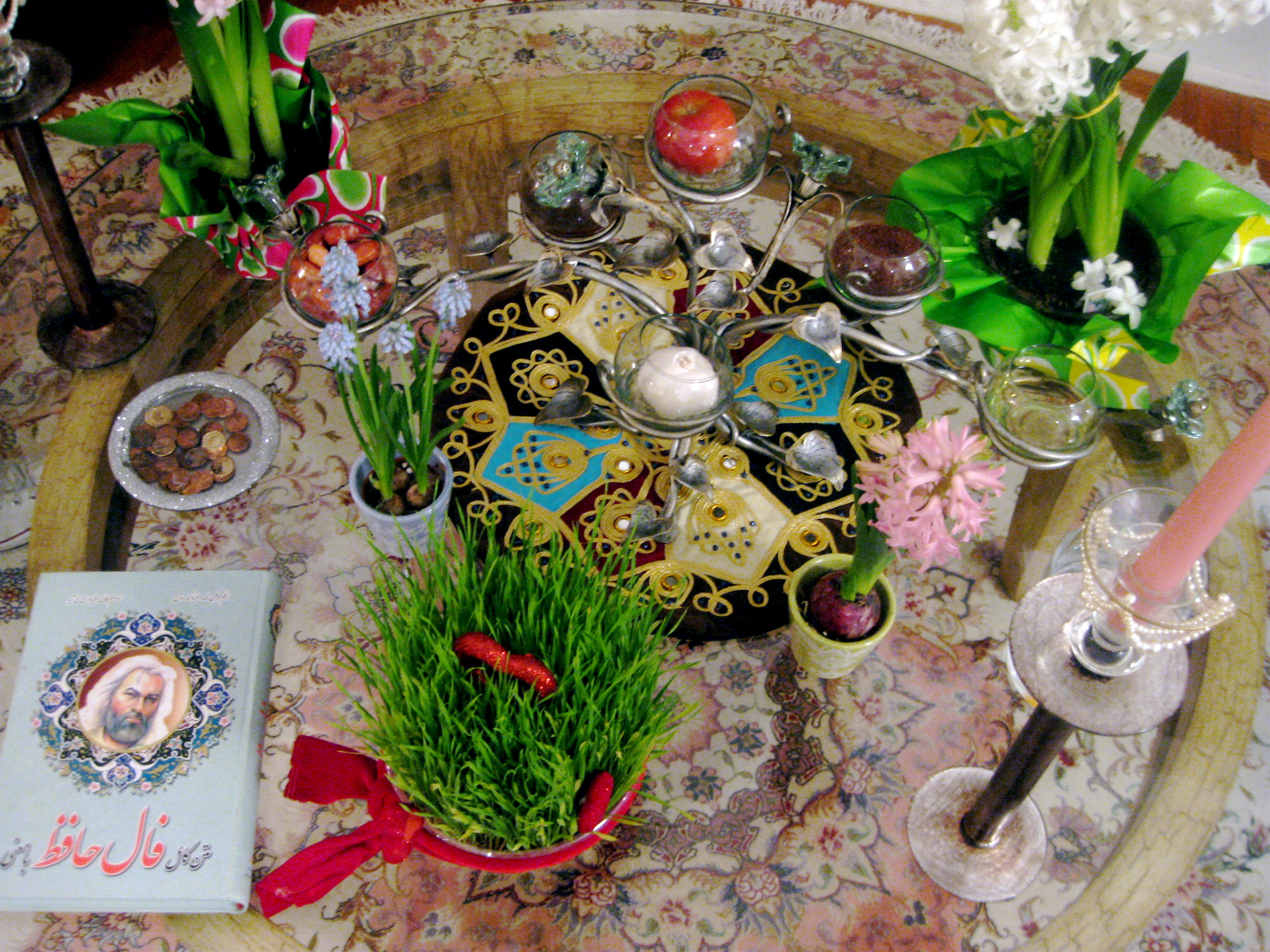
the haft sin table/ © ianyanmag

I would be lying if I said that I solely identified myself as an Armenian. With my family from Tehran and a maternal grandmother from Tabriz who spoke Armenian, Farsi and Turkish, I have as much Iranian influence running through my veins as I do Armenian and American.

My parents grew up during a time in Iran when life was good. They could wear whatever they wanted, whenever they wanted, listen to all the Western television their heart desired and hang Beatles’ posters on their wall without anyone ever telling them “no.”

As Armenian as they were, they were also Persian and everything - from the food, to the music, to the traditions have been passed down to my sister and I in the most charming way. Not because it was forced, or written into our daily lives, but because we were genuinely interested.

Last year, I requested a Persian cook book from my mother, and without even thinking twice, she trotted down to Westwood, better known as Tehrangeles and bought me one. At work, I catch myself searching endlessly for Persian songs from yesteryear. When we sing “Happy Birthday,” at gatherings, it always comes in threes: English, Armenian and in Farsi. I can sing the Iranian national anthem by heart, ingrained in me from years and years of watching Persian public access channels.

It is rooted deep in me and I wouldn’t have it any other way.

Along with the cuisine, music and other cultural influences, it has become a tradition to celebrate Nowruz (Norooz),  or Persian New Year in my family.

Falling on the Spring equinox, Nowruz is a 13 day celebration with rich, ancient rituals and customs that usher in the new year. Nowruz includes “Khouneh Tekouni” meaning Spring Cleaning, “Chahârshanbe Sûrî,” which literally translates “Red Wednesday” but involves jumping over bonfires while singing a traditional song. Nowruz is also celebrated in Afghanistan, Azerbaijan and in Kurdish communities.

Perhaps the most symbolic part of Nowruz is the “Haft Sin” table, which contains seven items that all start with the letter “S.” They include:

  • Sabzeh (lentils or barley): symbolizing good fortune
  • Samanu (sweet pudding): symbolizing fertility and affluence
  • Sir (garlic): symbolizing medicine
  • Senjed (fruit from the oleaster tree); symbolizing love
  • Sib (apples): symbolizing health and beauty
  • Sumac (sumac berries): symbolizing the color of the sunrise
  • Serkeh (vinegar): symbolizing age and patience

The table can also include candles (happiness), coins (wealth), goldfish in water (life within life) and a holy book (Qur’an, Bible, Torah) or a poetry book (Hafez)
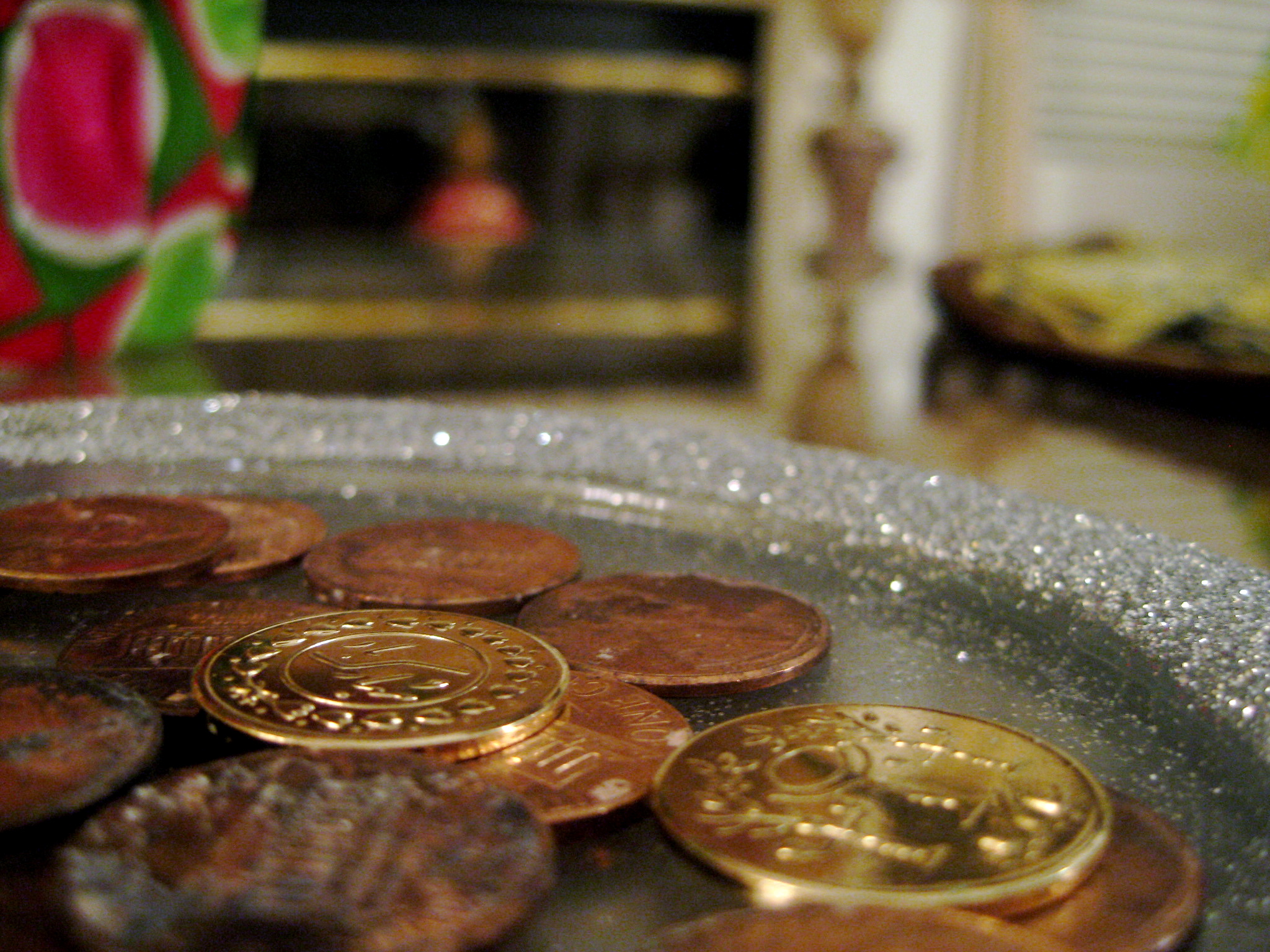
coins symbolizing wealth on a haft sin table/ © ianyanmag

The most interesting and exciting part of this setup is the Hafez-reading, in which fortunes are read around the table in accordance with the proverbial poems of the Persian lyric poet Hafez.

If there’s anyone you want your future determined by, it’s a mystic poet who talks about love, life, wine and karma.

This year, one by one the fortunes were read, each of which I requested translation into English for, because as it turns out, I left Iran too young to ever fully absorb the language. Many of the fortunes were funny (”you’re the full package,” “don’t delay what should be done!” interpreted by my aunt as a call to get married sooner rather than later) and then there were thoughtful ones (”listen to the advise of those around you, these are the people that will help you succeed”) and still, somber (”you have a heaviness and sorrow in your heart that has been weighing you down.”)
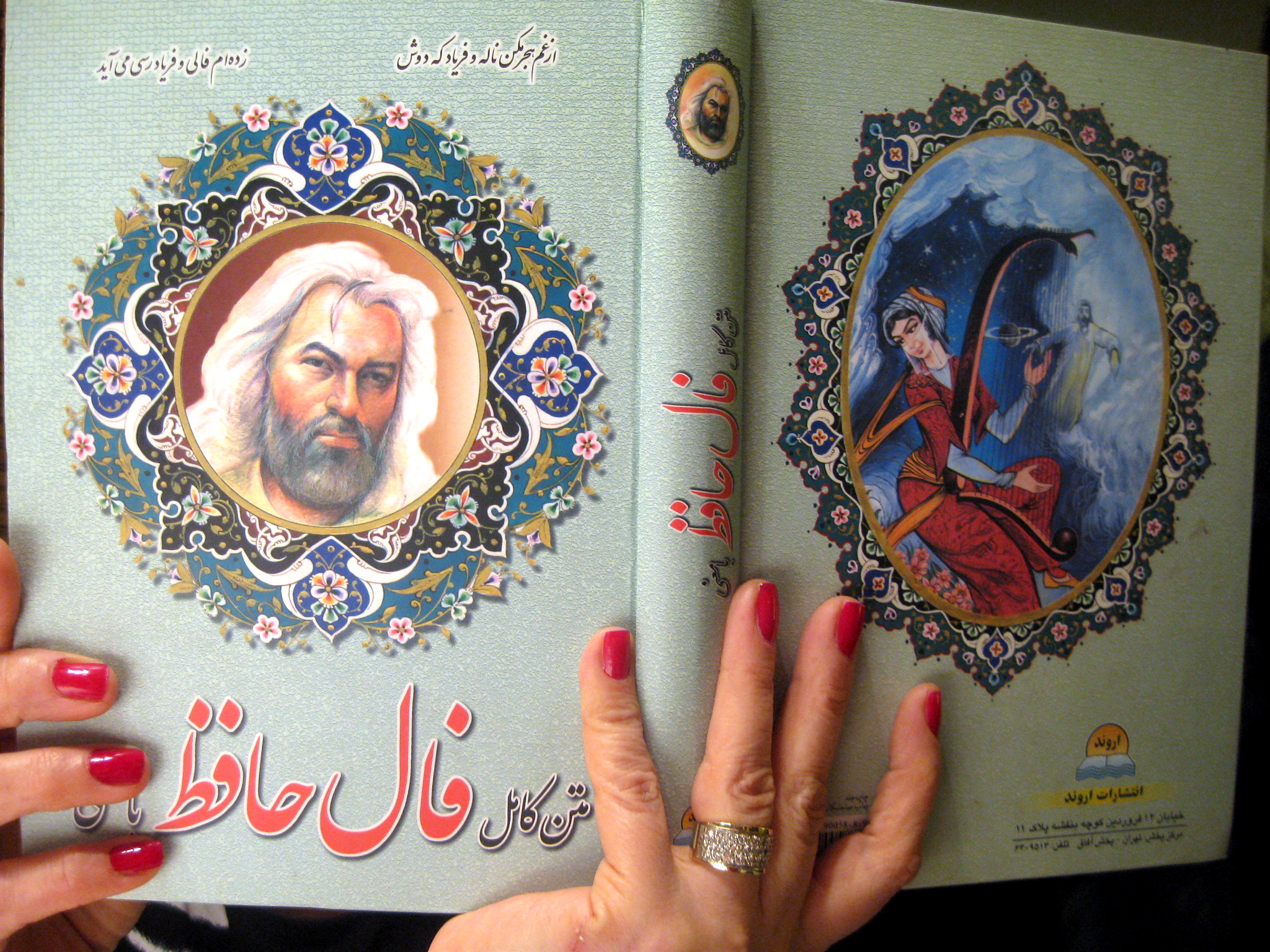
The Divan of Hafez, book of poetry/ © ianyanmag

Of course, I know I’m probably butchering the twice-translated proverb, but you get the idea.

Whatever was read out loud, in the most beautiful, lyrical Farsi from my parents, my uncles and their cousins, I waited with baited breath to understand. I wanted more. I was hungry for this tradition that was so old, yet still alive.

I’m Armenian, but I celebrate Persian New Year. I revel in it. It is much a part of me as the 4th of July.

To me, being Armenian doesn’t symbolize an all inclusive club where only one set of traditions are observed and one language spoken. We are an amazingly diverse group of ancient people, who have, through the years, influenced and been influenced by a set of beautifully rich and magnetizing cultures, and denying this would be doing a disservice.

I guess what I’m trying to say is that simply speaking, diversity is good. Embrace it. And get your fortune read.

Happy New Year!
Bookmark and Share

About the Author

Liana Aghajanian

Liana Aghajanian is journalist who writes for various print and online publications in addition to being Editor-In-Chief of ianyanmag. She has written for the Glendale News-Press, Bitch, Paste and Ararat magazine and currently also works as an editor. She takes her chai without sugar, but her dolma with lots of yogurt.

18 Responses to “Celebrating Norooz, or Persian New Year as an Armenian”

  1. [...] most charming way. Not because it was forced, or written into our daily … Original post: Celebrating Norooz, or Persian New Year as an Armenian | IANYAN Share and [...]

  2. [...] seven items that all start with the letter “S.” They include: … Read the original: Celebrating Norooz, or Persian New Year as an Armenian | IANYAN Share and [...]

  3. Thank you for educating us on this tradition. I enjoyed reading your article very much and learning about the Haft Sin.

    No matter what day we celebrate the new year, whether Jan 1, on the vernal equinox, or whenever, I think we all truly have the same wishes for peace, love, family, health and hope in the new year and always.

    Aidee shoma mobara! ; )

  4. What a great post! Eid-e Shoma Mobarak!:)

  5. As Persian Iranian I’ve always been proud of my Armenian Iranian friends and have never distinguished between them and Perisans. Great post!

  6. My parents - also Armenians from Iran - also came to adopt/adapt pieces of this lovely tradition. I love celebrating a fresh new year in any form, personally. For Norooz, I particularly like the symbolism behind Haft Sin. Even when we don’t go the whole 9 yards, we almost always put out sabze and watch it grow green grass :) Norooz mobarak - May the new year be happy, prosperous, democratic, and peaceful.

  7. thank you dear liana,
    Happy noroz to you and your dear family, hope the start of spring (bahar) is full of happiness and all the bet wishes .
    i am also a zorashtrian -armenian, and it is my pride to have both new year celebrations.
    its a pride to know an armenian-iranian friend is so concerned regarding the noroz celebrations and traditions……
    have a wonderful year .

  8. dear liana,
    i read and one part in your writing was not complete, you have mentioend regarding the holy books that are kepy on the table of haft seen, and not mentioend AVESTA, which is the book of the zorashtrians , the ancient religion who celebrated noroz in Iran bastan.

  9. Norooz mobarak, Liana jan! Happy new year! My father’s family is from Iran, too, but alas, the tradition of celebrating Norooz didn’t come with them to Canada, where I was born. However, I can understand your desire to acquire a Persian cookbook as our family always ate more typically Persian meals than Armenian ones at big family-holiday gatherings. I often miss my grandmother’s cooking and wish I had spent more time with her in the kitchen. Here’s to celebrating diversity no matter where we’re from or where we find ourselves currently.

  10. [...] in her own post, Ianyan comments on Novruz, detailing the shared cultural influences in the region as well as her own personal identity. I would be lying if I said that I solely identified myself as an Armenian. With my family from [...]

  11. [...] in her own post, Ianyan comments on Novruz, detailing the shared cultural influences in the region as well as her own personal identity. I would be lying if I said that I solely identified myself as an Armenian. With my family from [...]

  12. [...] some Armenians, especially those who recognize the Persian influence on both cultures. One of those was Liana Aghajanian, an Iranian-Armenian now living in the U.S. “[…] being Armenian doesn’t symbolize an all [...]

  13. I liked your blog.Eide shoma Mobaarak too!

    We must teach our new generation the beauty of Persian culture & traditions.The real meaning of Norooz & the history behind it.

    Happy Norooz.
    Happy New Year.
    Happy Spring.

  14. Hey Liana, very nostalgic and yet very touching. I’m glad you posted this on our facebook page. Many people have read and enjoy your post. Keep up the good job.

  15. [...] my Norooz post, an amazing woman by the name of Anush Avejic made the following comment: “No matter what [...]

  16. I truly loved your article. As an Iranian Armenian I also consider myself as a Christian Persian and very proud of it as well. Persian identity is apart of our Armenian fabric.I love everything Persian. Love you all.
    To me Iranian means, Love ,Love and more love. We always will be Iranians, and
    Happy Happy Norooz to all. :o)

  17. [...] satu di antaranya adalah Liana Aghajanian, seorang keturunan Iran-Armenia yang sekarang tinggal di AS. “[…] memiliki darah Armenia tidak [...]

  18. [...] wrote about Norooz, a rich tradition celebrated by Azeris, Iranians and subsequently many Iranian-Armenians like me. [...]

Leave a Reply

We request that replies, if possible, be left in English as non Armenians also frequent this website.

You can use these XHTML tags: <a href="" title=""> <abbr title=""> <acronym title=""> <blockquote cite=""> <code> <em> <strong>